Why is grain milling so important?

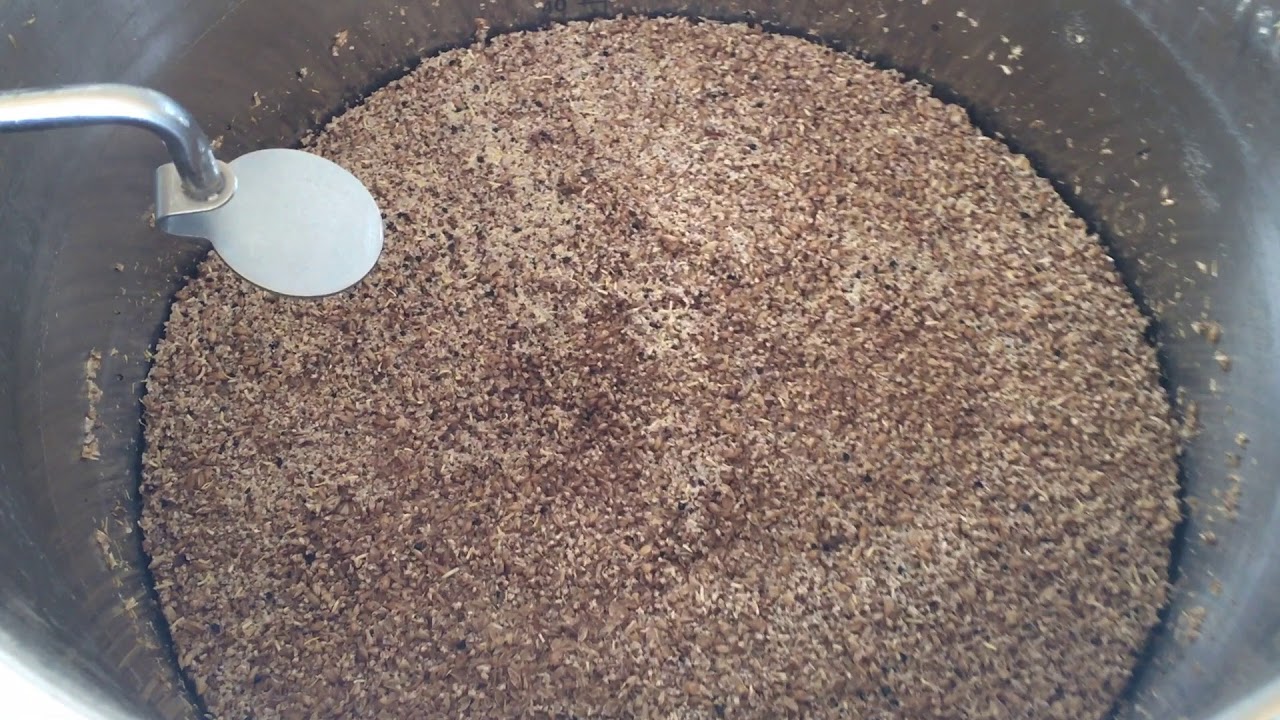
The character and flavor profile of a finished brew is due to the presence of malted barley. The physical condition of the grains needs to be just right to achieve the desired yield efficiencies, and an appropriately adjusted mill will give us that condition. The Best Crush The brewer wants to open up the malted … Read more
What is Malt Extract?

If you have not read the information in the Malting Process article, follow this link, (Malting Process) to open a new page in your browser to understand the processes involved. When done, close the new window and come back here to follow the discussion on Extract Malts. What is Malt Extract? With the completion of … Read more

What is Beer?

beer [ bi(ə)r ] NOUN an alcoholic drink made from yeast-fermented malt flavored with hops: “a pint of beer.” synonyms: ale · brew · brewski · suds · pint Powered by OxfordDictionaries · © Oxford University Press There is a lot of interesting technical information out there, both from books and the Internet, however, we … Read more

What is a specialty malt?

Which specialty malts the brewer adds to the recipe have the biggest impact on the perceived beer’s overall flavor while other factors support the overall flavor. Specialty malts give beer the unique flavor and character the brewer is looking for in the style they are brewing. These are the malts that help a chocolate stout … Read more

What is a Base Malt?

Let’s get down to the basics of brewing with grain; all recipes will use a group of malts called “base malts.” What is a Base Malt? Brewers create a perceived difference between beers they brew by how they build their recipes. Variations include color, flavor, alcohol content, hopping and many other factors. To create a … Read more

How is malt beer made?

OK, so what is malt? Processed barley grain that had the grain starches converted to sugars when going through the malting process. Brewers have available to them a large number of malts. However, the basic categories of malts are; Malts that require mashing and sparging to extract the simple sugars. Malts that can be steeped … Read more

How Do You Make Wort?

Pronounced “wert”, originating from the Old English wyrt. Do not give away that you are a newbie using the wrong enunciation. Beer Before Fermentation Wort is the liquid drained from the mashing process and is strange tasting and sweet. As you become an experienced brewer, you may learn to enjoy tasting it and even learn to … Read more

What is the Malting Process?

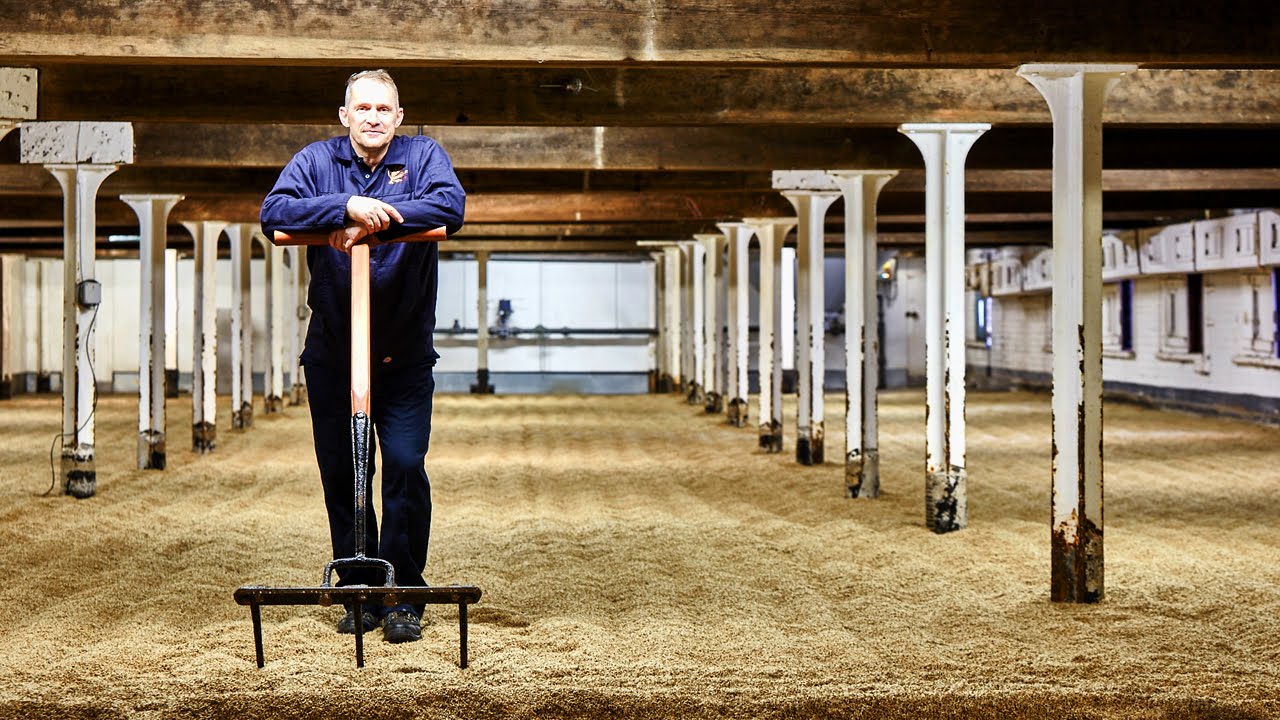
Before the brewer can use the barley, it must have the non-convertible starch converted to soluble starch. This process is called malting. Malting also reduces complex protein, generates nutrients for yeast growth, during the germination process. Malting process The three steps are required to malt barley. Steeping The purpose of steeping step is to have … Read more

Is Extract Brewing better than All-Grain?

This method of brewing gets its name because it involves the use of concentrated Malt Extract in the brewing process. It is often the form of brewing used by most new brewers. In the extract brewing method, the mashing process is skipped, with only the boil and fermentation step to get done. For the brand-new … Read more

Fruit Flavoring in Beer

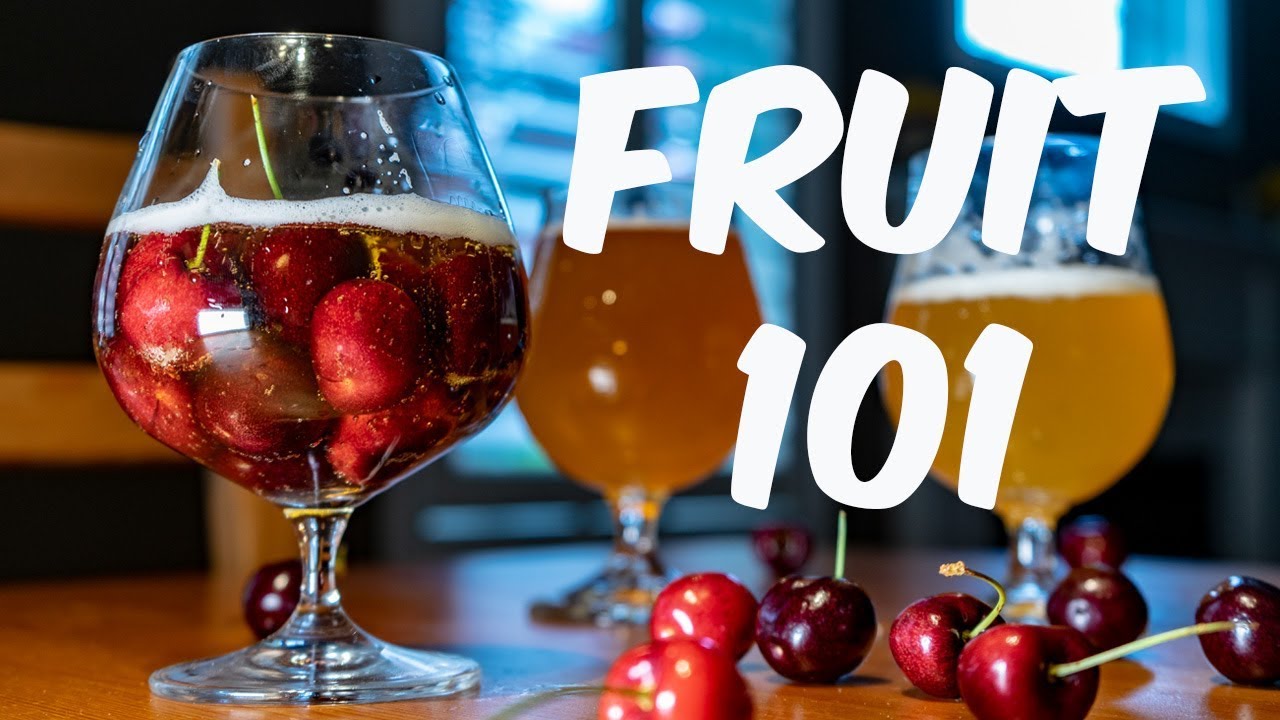
Fruits have been used as a beer adjunct or flavoring for centuries. Cherry, raspberry, and, peach are common additions to Belgian lambic styles. Modern breweries use flavored extracts by adding them to the finished product, rather than fermenting the fruit. Or, they will add the fruit to the wort before fermentation. Magic Hat Brewing Co … Read more

What is All Grain Brewing?

All-grain brewing is covered extensively with a great deal of information in homebrew literature and online. As always, in life with anything we are doing, there is more than one way of getting things done, home brewing is no different. Some new home brewers just jump right in, hoping for the best, while others will … Read more

Beer Recipe Design

Designing a Beer Recipe Select a Beer Style. Even with a selected beer style you have room for your creativity and interpretation. At least you have selected a baseline to start your recipe creation. Use the BJCP style guidelines for the starting averages of color, bitterness, and original gravity for your selected style you want … Read more